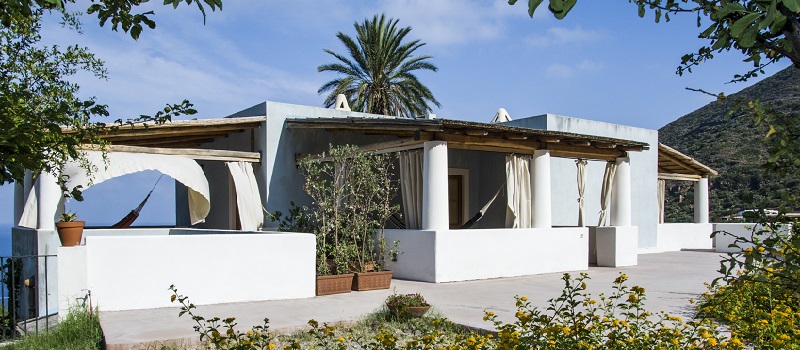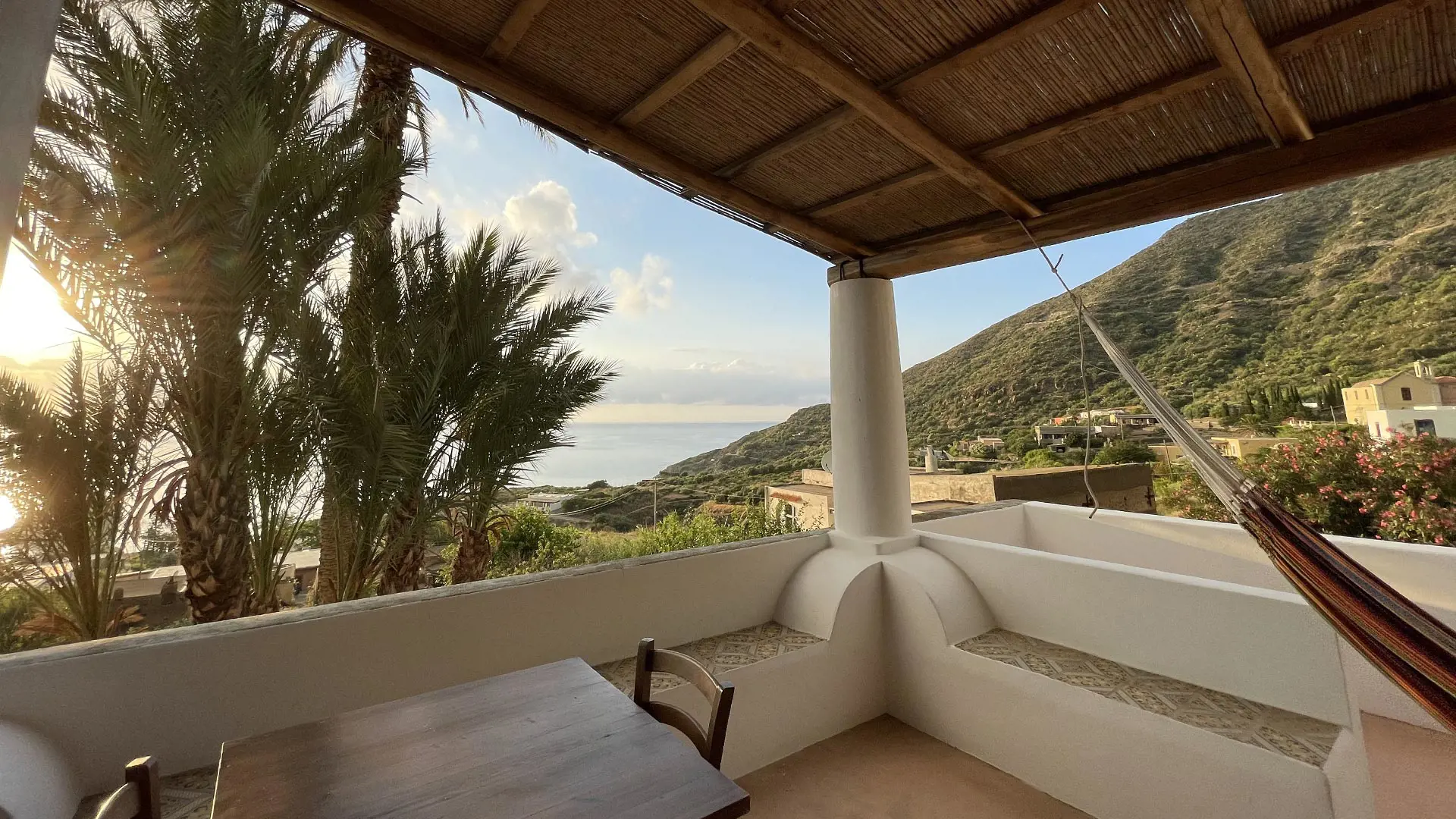

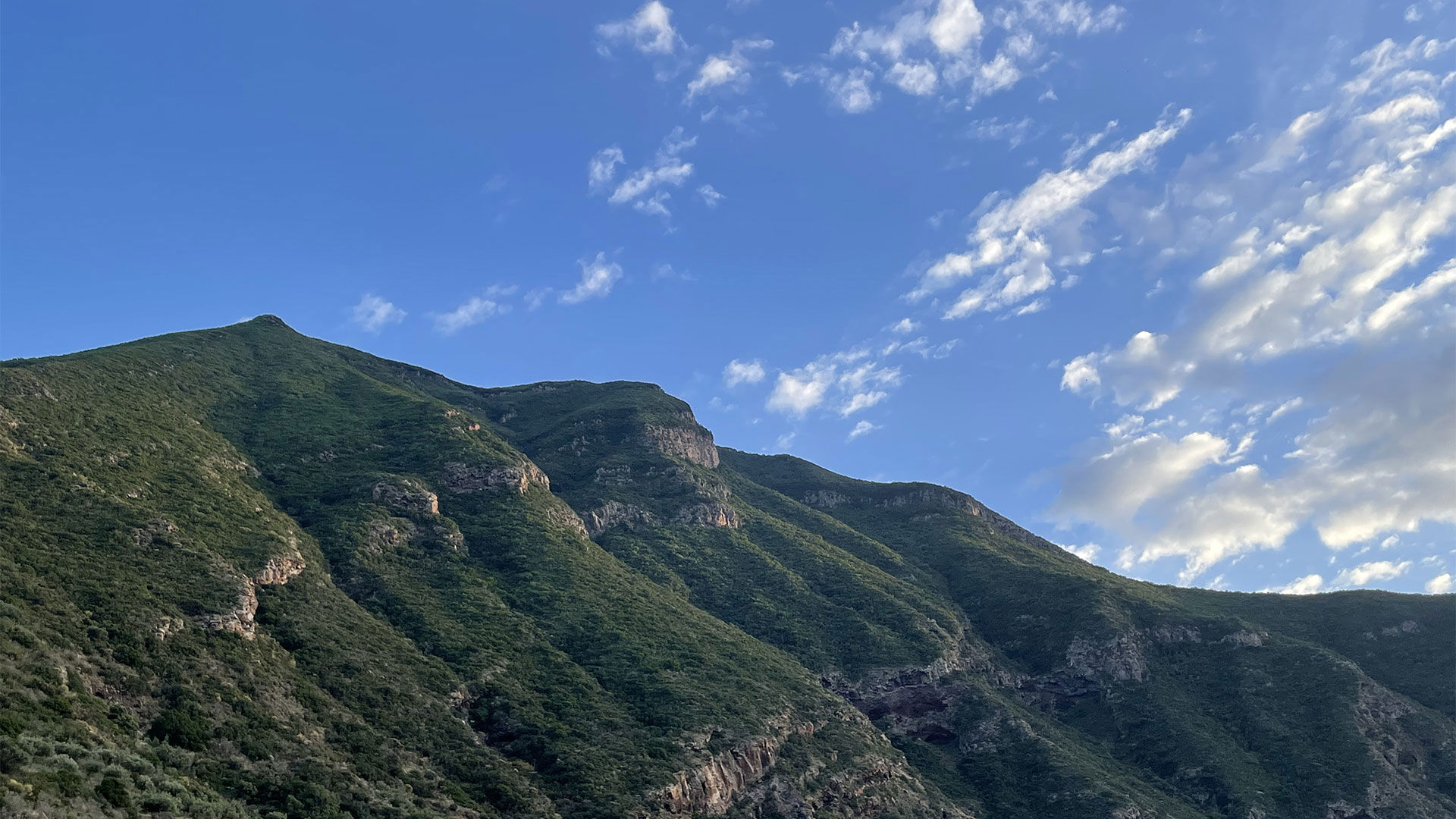
The island of Salina covers an area of 26.8 square kilometers and is the second largest of the Aeolian Islands after Lipari. It is home to the two highest mountains of the archipelago, Monte Fossa delle Felci and Monte dei Porri, long-extinct volcanoes that gave rise to Salina’s ancient name, Didyme, meaning “twins.”
Numerous archaeological sites on the island have revealed remains dating back to the Aeolian Neolithic period. Bronze Age settlements include Portella, Barone, and Mastrognoli, located along one of the ancient paths that climbs the slopes of Monte Fossa delle Felci—one of the most beautiful nature trails on Salina.
Many hiking paths lead to the summits of Monte Fossa delle Felci and Monte dei Porri, offering breathtaking views of all the Aeolian Islands, surrounded by lush vegetation that includes nearly 30% of Mediterranean tree species. In the trekking section you will find the main trails to explore.
For those interested in Aeolian art and culture, we recommend visiting the Civic Museum of Lingua, dedicated to the history, customs, daily life, and traditions of Salina, as well as the Aeolian Museum of Emigration in Malfa, which displays publications, photographs, old cardboard suitcases, and artifacts documenting emigration and Aeolian communities in the Americas and Australia. Another important cultural reference point is the Library–Art Gallery of Malfa, which houses a rich collection of books and audiovisual materials connected to Aeolian and Sicilian culture and the historical memory of island communities abroad.
Salina is the most fertile of the Aeolian Islands. Here, prized grapes are harvested to produce notable wines, including Malvasia, a sweet fortified wine that is a symbol of the island. Capers are also of great importance: Salina capers are renowned worldwide and exported internationally.
In Pollara, the Church of Sant’Onofrio and the small square are the main gathering places for social life. On the first Sunday of June, the Caper Festival (Sagra del Cappero) traditionally takes place here—an unmissable food and wine event where the women of the village prepare caper-based dishes, served on long tables set along the street and in the square. Live music, local wine, traditional dances, and desserts bring the evening to a joyful close.